

best archicad rendering software
Home » Design Software & Tools » 15 Best 3D Rendering Software Alternatives for 2021
Why is it so important to use a 3D Rendering Software today?
3D rendering which was previously restricted only to high-value projects has now become mainstream for all interior design projects (be it residential or commercial) with the advent of a constellation of modern rendering software and increased demand from millennial buyers and customers. It is the only way a client can see how the design of their future home or office will look. So a high-quality 3D render helps massively with a designer's pitch – to accurately convey his/her vision for space by unveiling their design in its full, detail-rich context, complete with shadows, lighting, and environment.
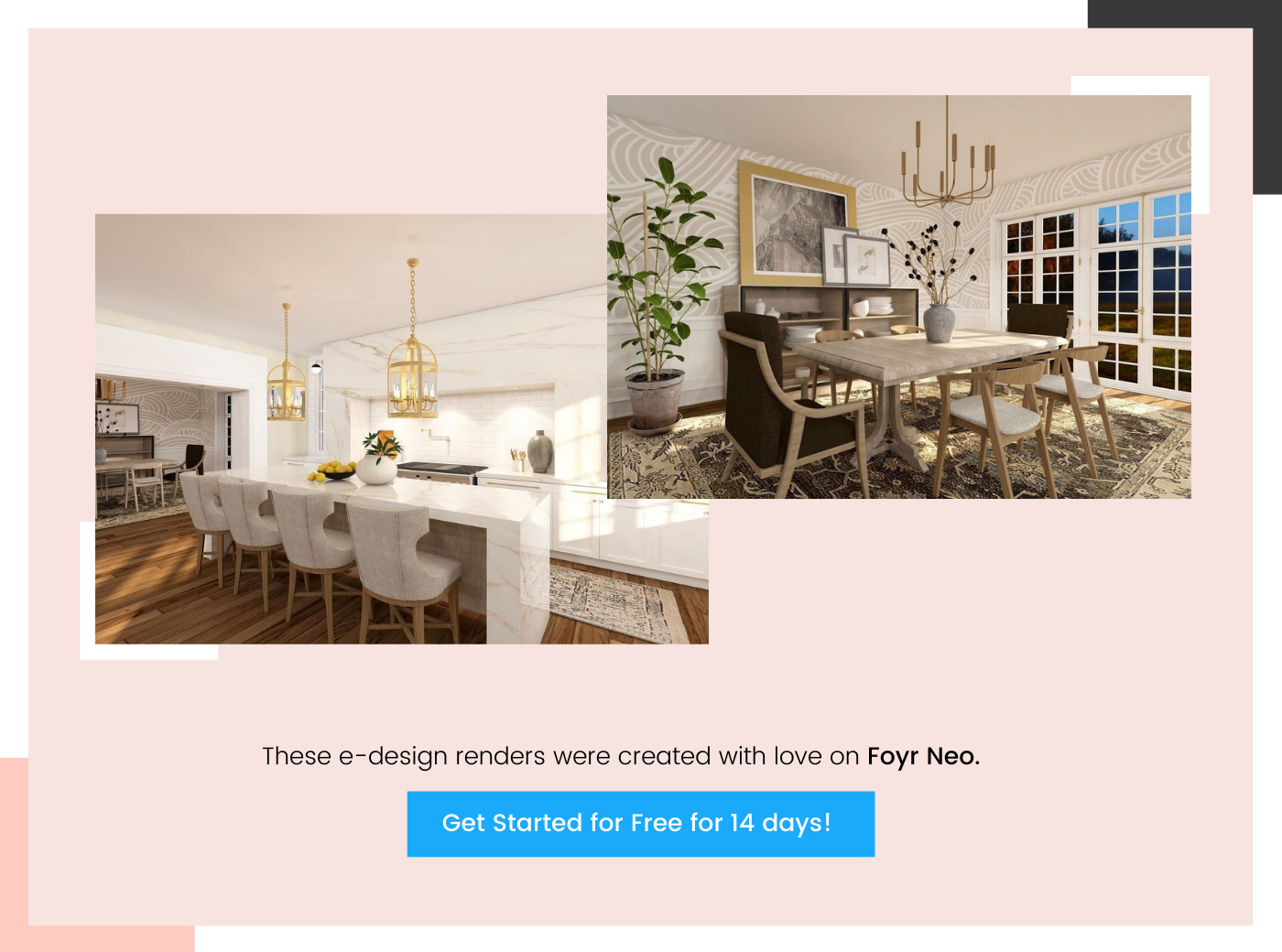
But let's take a second to go over the basics…
3D Rendering is the process of creating 2D and 3D images of a design that illustrates how a proposed space or building will eventually look, even before the real project has begun. A 3D render which was once considered "a-good-to-have" as a part of a client pitch or a presentation, has now become status quo, even an essential requisite for the interior design industry. You're no longer considered professional enough if you walk into a client meeting with just an album of your past works or swatches of fabrics to sell your design story. So this rise in demand for high-level interior visualization has changed the whole face of how interior design is done today, and exponentially propelled the 3D rendering software market.
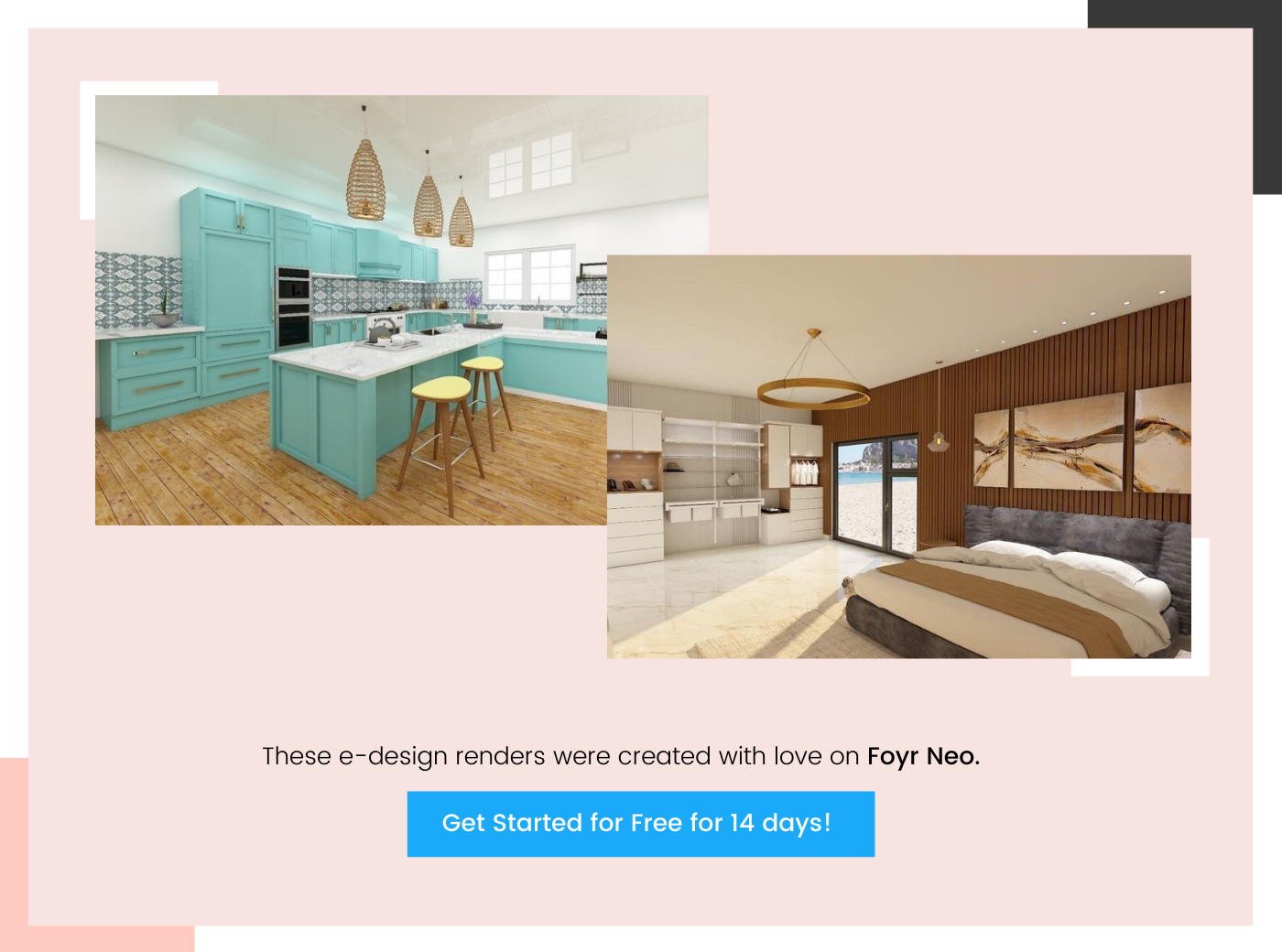
There are typically three types or methods of creating 3D renders – wireframe, surface, and solid. Each method constructs the 3D render in a different way, and the editing methods differ between each type. Therefore, it is always best to stick to any one style of rendering and not combine them.
A wireframe model creates a skeletal description of a 3D object. It doesn't contain any surfaces – it consists only of points and lines joined together by curves, which cover the shape of the object. Wireframe models can be created by positioning planar objects anywhere in a three-dimensional space. There are some three-dimensional wireframe objects that have continuous line types, meaning the 3D rendering artist needs to draw and position every object separately independently. That is the reason wireframe rendering usually takes the longest time to complete.
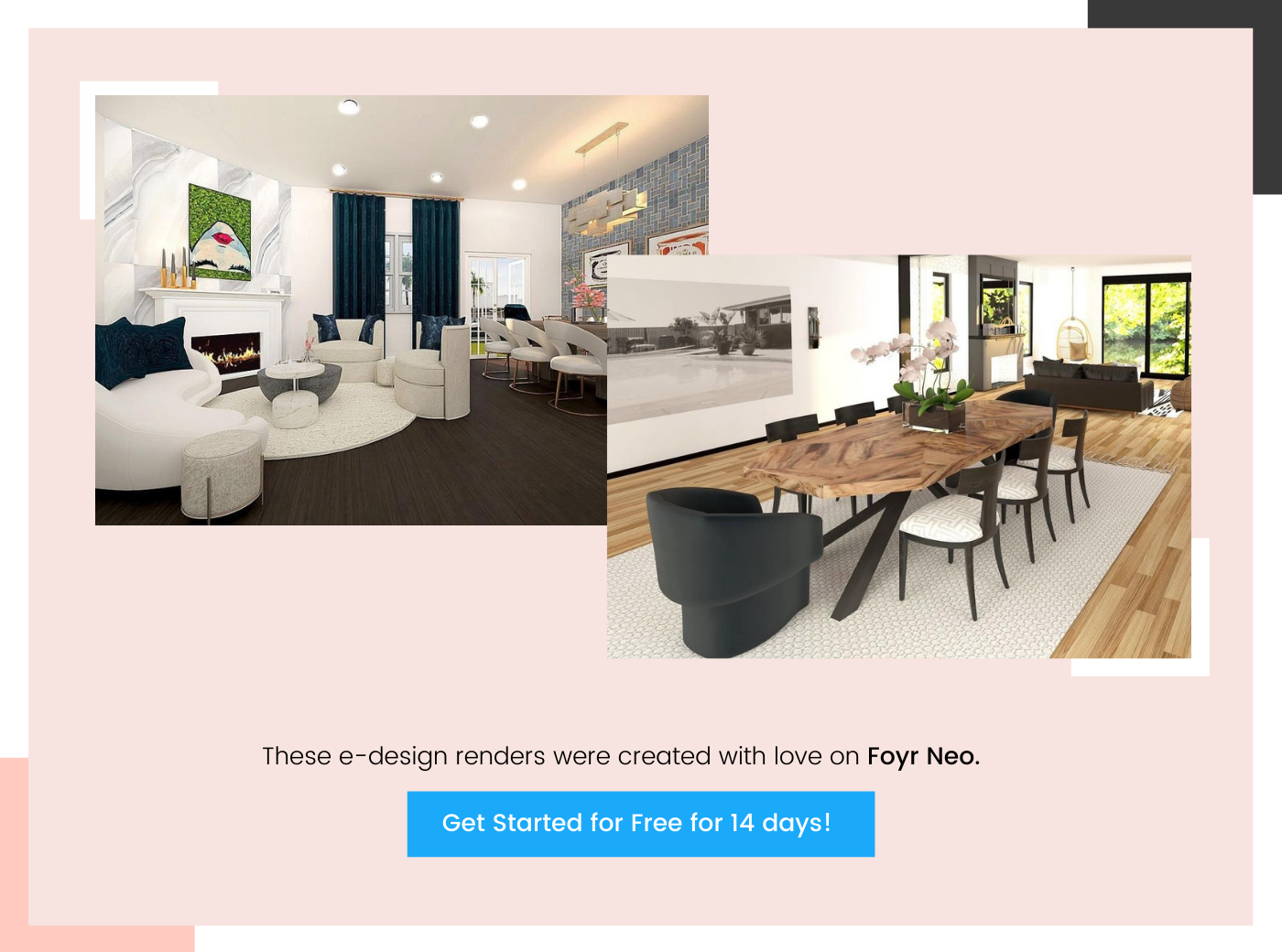
Surface modeling is a more elegant method of creating 3D renders. This process defines both the surfaces and the edges of a three-dimensional object, which can then be rendered into a panorama, 360 degree & virtual reality, and more. Although this is distinct from the wireframe process, it is similar in that it also makes use of a mesh. This mesh is a polygonal mesh with planar faces, which limits the accuracy of the depiction of curvilinear surfaces.
Finally, solid modeling is the fastest and most convenient method for 3D rendering. This process starts by using the elementary geometric shapes in three dimensions – like boxes, cones, cylinders, spheres, wedges, and concentric circles in donut shapes. Each of these shapes can then be added and subtracted from one another to produce more complicated shapes and architecture. Some experts can up their game by dragging a 2D object on a fixed path or make it rotate around a fixed axis. You can also create solids by sweeping a 2D object along a path or revolving it about an axis.

A 3D rendering software is a computer program that converts 3D models or a collection of 3D models that are only viewable in special software into images popularly referred to as 3D renders, 3Ds, or just renders, video files, and walkthroughs. Whether you are an interior designer, architect, or 3D artist, generating 3D renders for client presentations is critically important today and the final step of any design process.
3D Design and 3D modeling go hand in hand. 3D modeling is the process of creating 3D models of objects (inanimate or living) using specialized software. A three-dimensional (3D) model is a geometrical representation of an object or surface in 3D space. It is a collection of points connected by triangles, lines, curved surfaces, etc. Once the modeling is complete, models are typically enhanced by texture mapping and lighting. Such 3D models are then "rendered" using 3D rendering software into image files. Many interior designers and 3D artists go through multiple iterations before they can create a photorealistic rendering of the space that they are designing. So it's critical to find software that helps you become efficient in this process.
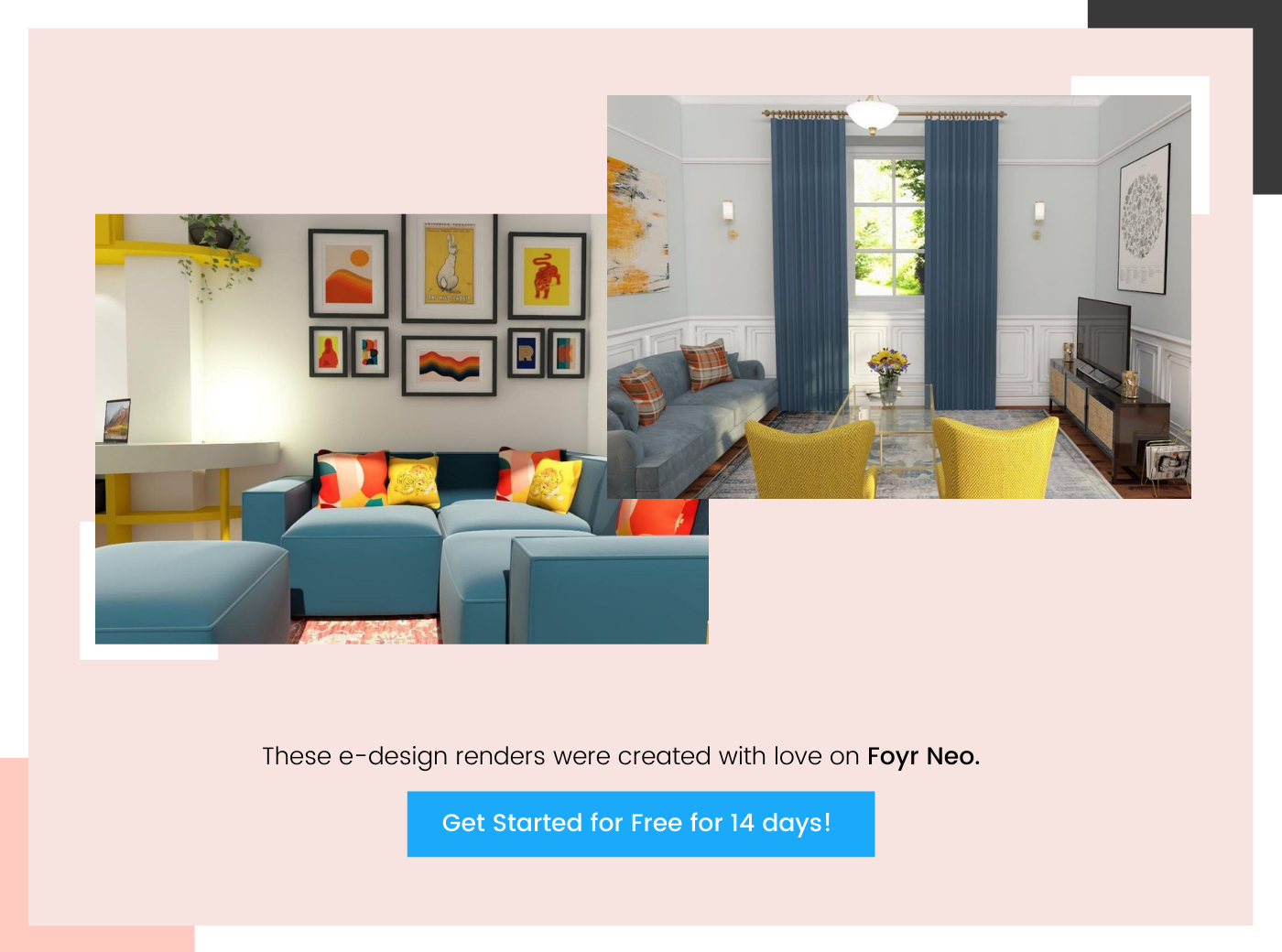
There are tons of challenges we've heard interior designers face with the legacy 3D rendering software available in the market like Sketchup, Revit, 3DS Max and more. But these are the most common ones:
- Extremely low speeds of rendering
- Heavy CPU and GPU usage
- Poorly-defined textures
- Prohibitively expensive licenses
- A super complex user interface
- Extremely time-taking and steep learning curve

So are you here because you're looking for alternative rendering softwares for your interior design projects? Do you find softwares like Sketchup, Revit, 3DS Max way too complicated? Do you wish you had software that was simpler, inside of your budget, and gave you a far more gratifying ROI? This article will help to find just that! The best alternatives for 3D Rendering Software.

1. Foyr
2. Octane Render
3. Lumion 3D
4. Arnold
5. Corona Renderer
6. Viz Render
7. Mental Ray
8. Keyshot Render
9. Artlantis
10. Blender
11. Rhino
12. Cheetah 3D
13. Thea Render
14. Maxwell Render
15. 3Delight
Before we move on sharing the list of the top alternative 3D Rendering Software you can find, it's key you understand how to make the right decision that best fits your context and does the best job in optimizing visualization for you. Because it's easy to get lost and confused amongst the slew of options and dizzying choices available in the market. So here are a few decision criteria that you can base your decision upon.
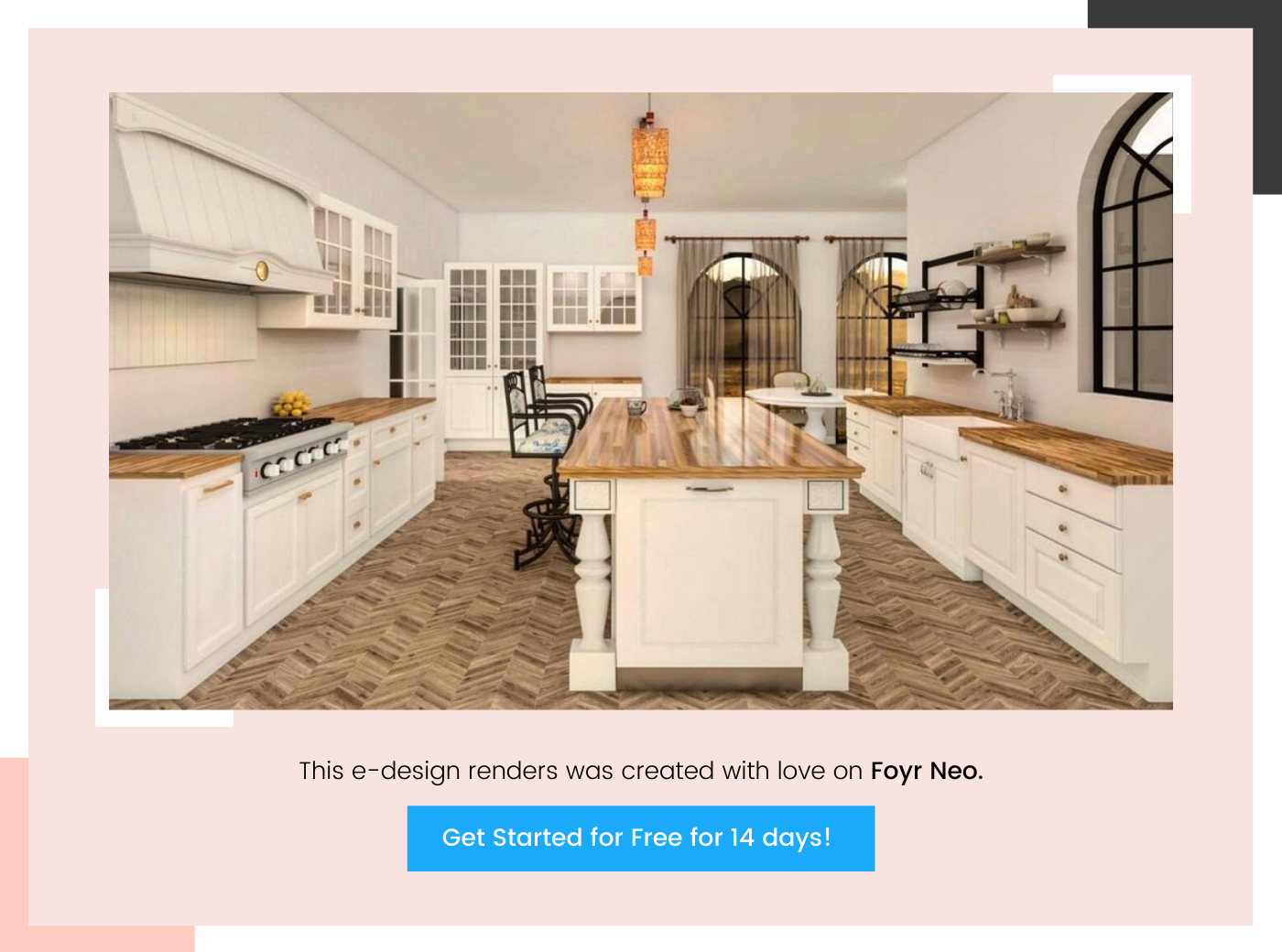
- Business Type/Best suited for: What type is your business? And why do you need the 3D rendering software? – This primary question determines everything. If you are a business that needs to do heavy-duty animations, film production, etc then your software and process will be very different from the one used by an interior designer to generate a 3D render of a kitchen or bedroom. So make sure you choose as per your usage, profession and context.
- Price/License Cost: Rendering softwares come in 2 flavours. There are ones which let you buy monthly subscriptions and can be canceled anytime, and the others which require you to buy a perpetual license. Most softwares are moving to a subscription model and that might be the best type to go for to allow yourself room for change and flexibility. Also, of course, there are the steeper legacy softwares which have been around in the market longer, and some new-age, pocket-friendly options. So choose according to your budget and requirements.
- Complexity/Learning Curve: The more complex the software the longer it is going to take to master it. The overhead of remembering all those menu options and navigations can surely become overwhelming if you're looking to quickly pick up the software and get to the job at hand. So choose a software wisely that fits your need and pace and is easy to use and learn.
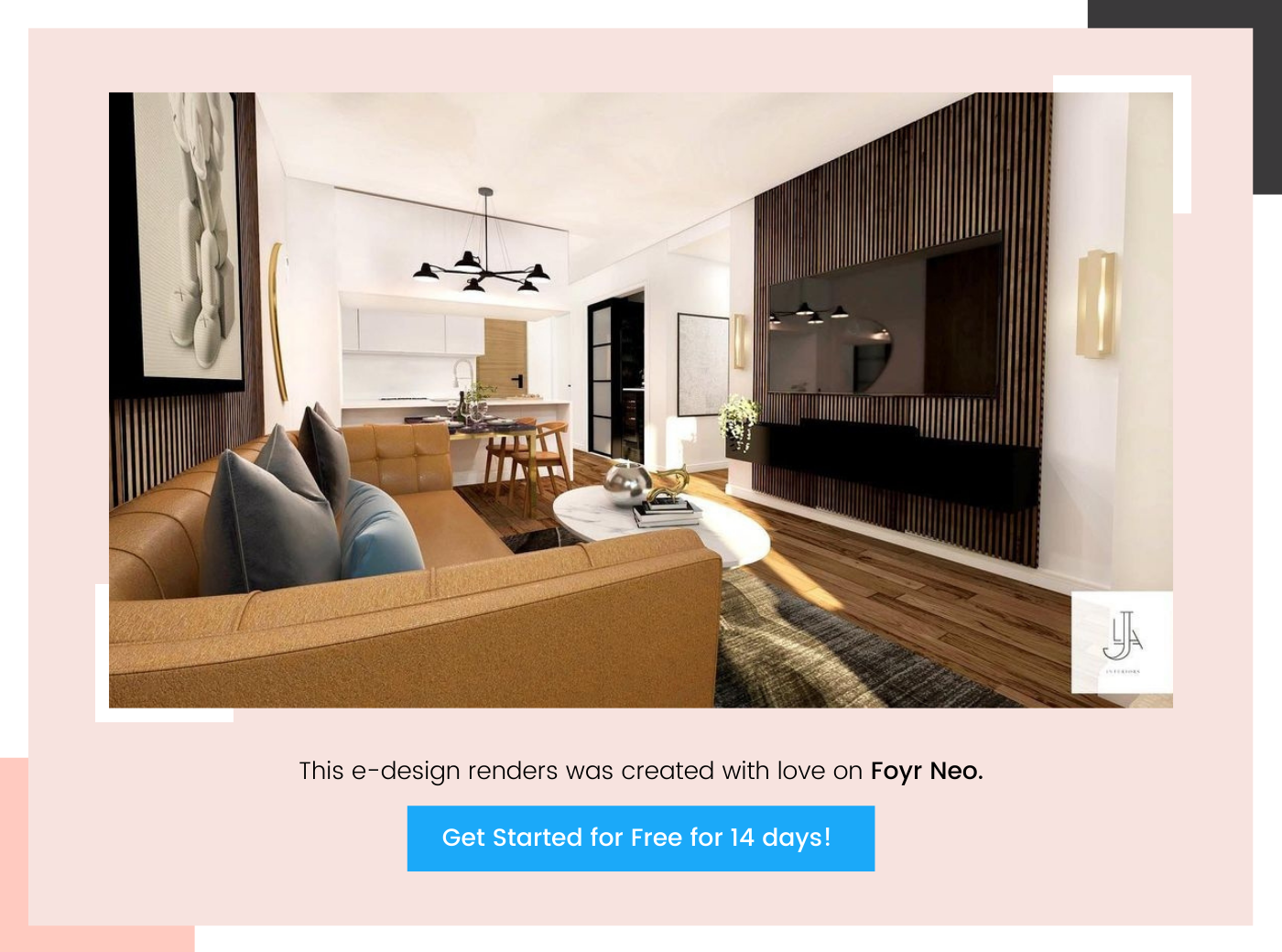
- Online or Installed: Softwares that are installed have a specific system requirement and use your system's computing power too. More the RAM and GPU, the better and faster the rendering. So bear in mind the steep hardware costs if you're looking to go for installation-based software. Mind you, such costs keep on increasing with increased usage. In 2021 (especially when remote working is the name of the game), it might be worthwhile to look at online softwares that give you the power of cloud computing and allow you to access and present your work to anyone from anywhere.
- Compatibility With Other Software: This is an important one to tick off your list. Because if you are looking at changing the way you work and letting go of your modeling software then online tools that are compatible with one another might offer a great solution.
- Render Quality & Time: Render time is inversely related to your computing power. Higher the configuration of your system the lesser the render time. On a standard 8 GB RAM machine, a 4K render can take up to 45 mins. However, software offering cloud rendering will save you the hassle and bring down render times by over half without needing any higher config machines. Many online softwares like Foyr Neo give you top-quality 4K renders within minutes (at practically a fraction of the time as other legacy software) and the quality is also like a real photograph! So online softwares are definitely the one to look out for in today's times.
Read also – Best Computer for 3D Rendering

- Feature Set: Be it rendering algorithms, user interface, lighting presets and preferences, file formats, composting, or real-time rendering – depending on the type of renders you want to create, some features may be more important than others. Go through product descriptions, trial the product, or take a demo of the product you are interested in before buying. A good rendering software will support a plethora of design, geometry, materials, shades, and lighting, and help you accurately reflect your design concepts and dimensions to the client. Making your design appealing and as photo-realistic as possible is essential in today's date. So choose a software that will provide the client with a fair idea of what the final outcome will look like.
- ROI: You know your business best. If the costs, including the value of your time, justifies the benefits aka additional revenue then it's worth going for it.
best archicad rendering software
Source: https://foyr.com/learn/rendering-alternative-software/
Posted by: coxexcurce.blogspot.com
0 Response to "best archicad rendering software"
Post a Comment